Residential building design and construction is a multi-stage process of creating living spaces, from the initial programming and conceptual design to detailed drawings, obtaining permits, and the actual construction, which includes site work, foundation, framing, and finishing. Key principles for successful design include balancing functionality, aesthetics, and sustainability, while the construction process involves a defined sequence of activities, such as excavation, foundation laying, and mechanical, electrical, and plumbing (MEP) installations.
Residential Building Design
This phase focuses on creating a plan for the residential building, which involves several key principles and steps:
- Programming:
Defining the project’s requirements, goals, budget, and timeline. - Conceptual Design:
Developing initial ideas and sketches to explore various design possibilities and space arrangements. - Design Development:
Refining the chosen concept into more detailed drawings and specifications. - Aesthetics & Style:
Creating an appealing and functional environment that reflects the homeowner’s taste. - Sustainability:
Incorporating energy-efficient designs and eco-friendly materials to reduce environmental impact. - Functionality & Flow:
Ensuring easy movement and interaction between different spaces within the home. - Comfort & Well-being:
Utilizing natural light, ventilation, and other elements to enhance the living environment.
Residential Construction
This is the physical building process where the design is brought to reality:
- Permitting: Obtaining necessary approvals and permits from local authorities before construction begins.
- Documentation: Creating comprehensive construction documents, including detailed plans and specifications, for builders and contractors.
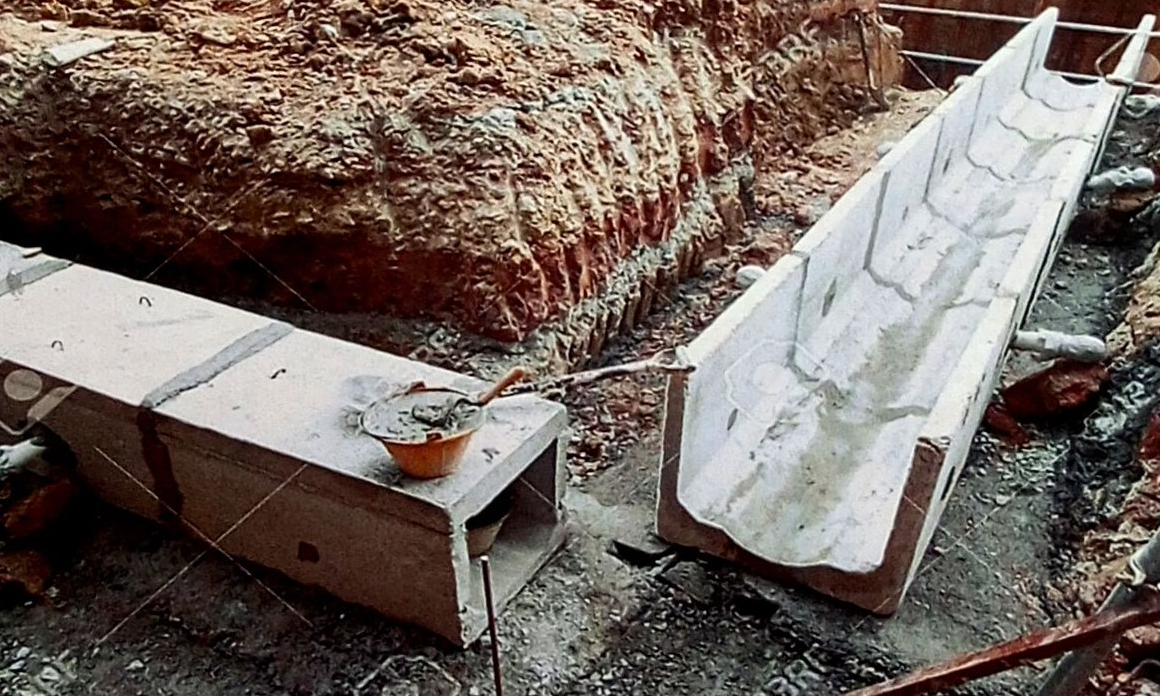
- Site Work & Foundation: Preparing the site and laying the building’s foundation.
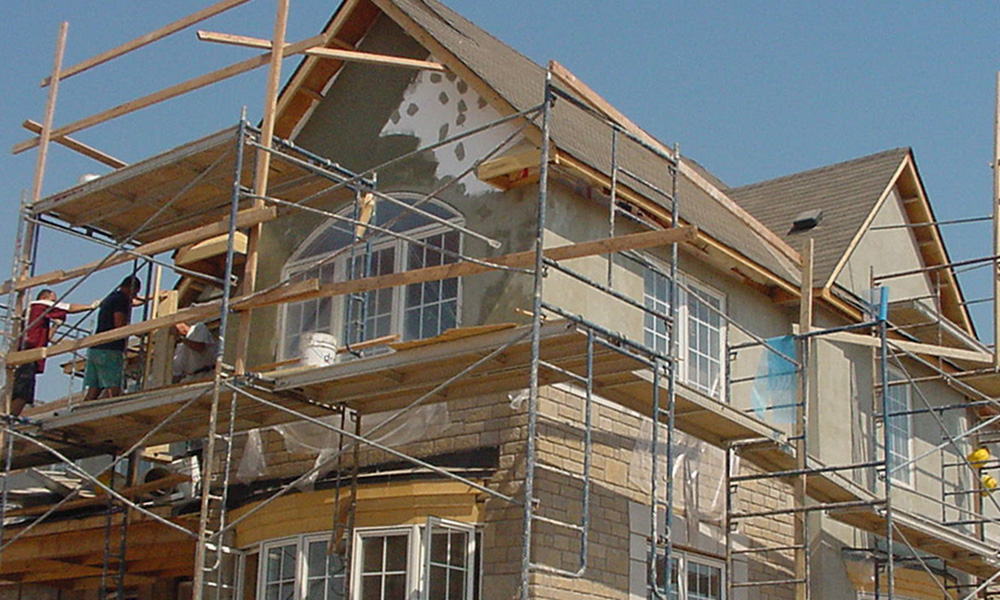
- Framing: Constructing the structural framework of the building.
- MEP Systems: Installing the mechanical, electrical, and plumbing systems within the building.
- Finishing: Completing the interior and exterior finishes, such as flooring, painting, and roofing.
- Construction Administration: Overseeing the construction process to ensure the design vision is realized accurately and efficiently.
Key Considerations
- Types of Homes:
Residential construction includes a wide range of structures, from single-family homes and multi-family apartments to condominiums and dormitories. - Technology Integration:
Many modern residential designs incorporate smart home technology for convenience and efficiency. - Design Innovation:
Trends like biophilic design, open floor plans, and indoor-outdoor living are shaping contemporary residential buildings. - Regulatory Compliance:
Adhering to local building codes and standards is crucial throughout the entire design and construction process.